'We’ve got massive runway to go out' - Mudd on Bytes’ £2bn year
Bytes CEO talks software gains, Microsoft EA incentive changes and more
Bytes’ audited financial results hit the £2bn gross invoiced income mark in FY25, delivering a 15.2 per cent rise in GII and a 12 per cent jump in gross profit, with strong momentum in both public sector (up 18.2 per cent) and corporate accounts (up 8.9 per cent).
Operating profit climbed 17.1 per cent, outpacing top-line growth and pushing the GP-to-operating profit margin above 40 per cent.
Software resale revenue was by far the biggest success story, climbing 16.5 per cent over the quarter to £2bn.
A small uptick (7.9 per cent) in services revenue to £34m and a decrease (19.8 per cent) in hardware to £33.2m, rounded out the results, reflecting broader trends in the sector.
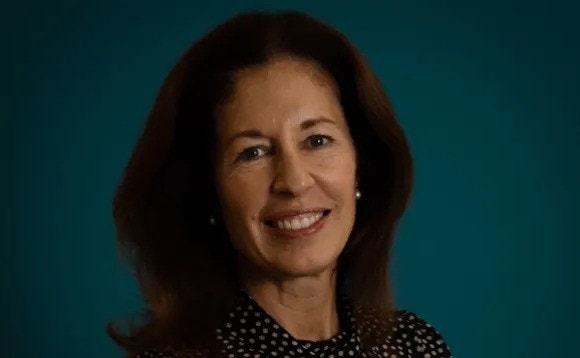
Speaking to CRN, CEO Sam Mudd credits robust and sustained demand for software and services in cloud, AI and security, alongside strong Microsoft alignment and growing traction in data and managed services.
“And I think that's just the shift that we've seen from a lot of on-prem into cloud consumption and customers wanting to make sure that their overall expenditure is in the right areas,” Mudd says.
“So you're talking about the obvious desktop security, cloud collaboration tools, teams, etc, and that's not discretionary.”
Mudd optimistic on headroom for organic growth
Bytes’ market share in the UK and Ireland now stands at four per cent, according to the results announcement. Mudd is optimistic about growing that number, excluding international expansion and hinting at a stronger focus on domestic growth.
“We've got a massive runway to go out. I think that the [market share] figure exemplifies the fact that we're only scratching the surface.
“And when people say, ‘are you thinking expanding internationally? Are you going into Europe or the US?
“The answer is, look at the opportunity we've got in front of us,” Mudd says.
“So from that point of view, four per cent has been calculated for us, where we extrapolate out all of the areas, the market, areas that we don't operate in, and then we come back down to its software, it's managed services, it's hardware, and we've only got four per cent of that.
“So lots of runway and white space.”
A significant chunk of Bytes’ software and overall revenue was driven by public sector spend, which climbed 18.2 per cent over the year, compared with 9.8 per cent for private sector.
According to Mudd, Bytes’ foothold in public sector is largely due to years of groundwork.
"We've definitely built stronger teams, building capability.
“We've got very clear understanding of the sub sectors within public sector,” she says.
“When you start to win, you gain better referrals, reputation. You're working more closely with the vendors, their reps want you to be in on their accounts, because you're seen as a safe pair of hands."
She also points to the firm’s success in supporting customers adopting AI tools like Copilot and expanding its Microsoft specialisations, including renewed Azure Expert MSP status and 11 services specialisations.
Bytes’ client renewal rate held firm at 109 per cent, with existing customers contributing 97 per cent of GP.
Headcount jumped nearly 18 per cent to 1,245, as the group bolstered its technical and service delivery teams.
Bytes says it is continuing to invest in pre-sales and specialist talent, while eyeing M&A opportunities with strong cross-sell and cultural alignment.
Microsoft relationship
While Microsoft Copilot sales were a key talking point across several previous quarters, this time around, Mudd emphasises Bytes’ diversification, offering a more nuanced take on sales of the Microsoft suite.
"Now we've still got a high level of engagement going with customers.
“Copilot is still very topical. It's an absolute must have conversation for all our sellers, but it's about catching the customers at the right point at which they want to invest.
“And each customer is on a different level of the journey.
“Some have gone wall to wall. Some of them are still sampling, trialling, testing out the application, the benefits, the efficiencies that they can drive the confidence within the business.
“And our adoption change management teams are highly engaged.
“We're still staffing out those to meet the customer demand.
“So, I think it's an ongoing demand that we're going to see for the next few years. It's not going to be a completed journey, certainly in the next 12 months."
Microsoft EA incentive changes
As the reseller continues to diversify its vendor engagements, the bulk of its business still comes from its relationship with Microsoft.
Over the year, 68 per cent of GII and 50 per cent of gross profit came from Bytes’ Microsoft engagement.
With this in mind, Bytes has actively put in place measures to mitigate for the changes in incentives around Microsoft Enterprise Agreements, which came into effect on 1 January.
While partners are still earning incentives when transacting EA renewals, the shake-up has meant that partners are considering mitigation measures for potential future changes.
When it comes to Bytes’ engagements, Mudd strikes a confident note.
“Quite simply, we've now got four months under our belt of having operated in this new world, and it's playing out exactly how we thought it would do,” she says.
“We talked in a fair amount of detail as to the ways we're mitigating that. It's obviously participating in all of the discrete activities around the transaction, either pre- or post-sales, that help you earn more money.
“Now there's a bigger pot that's been levelled into those activities by Microsoft, but you then maybe have to wait further down the line in terms of timeframes for a seller to get it, because the customer is going to be interacting with you in various ways.
“So what's happened is that that some of that GP income might arrive further down the fiscal year, because waiting to align the right resources and perform all of that.
“But then the other mitigating factor for us is that we are also selling non-Microsoft vendors. So we see the Microsoft contractors the ticket to the game.
“You become that trusted advisor to the customer.”