LIMA CEO: ‘Next year we’ll see double-digit revenue growth’
Danny Masters tells CRN how much success the MSP has seen since switching to recurring services, and why an AI deal isn’t on the cards in his new M&A hopes
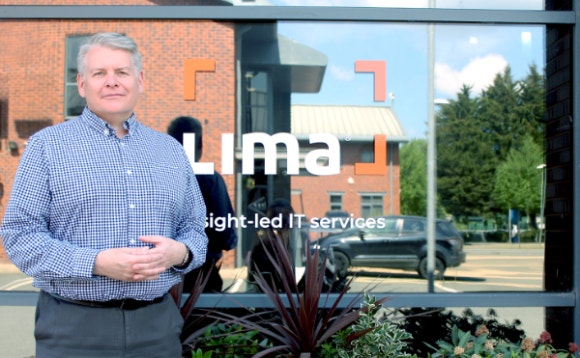
Manchester-based IT services firm LIMA is going from strength to strength since switching up its business model after private equity investment.
Established in 1997, the MSP underwent a significant transition in 2019.
Following a £12m investment from Maven Capital Partners, LIMA’s direction suddenly pivoted from hardware value-added reseller to managed services provider.
This move to recurring services is already bearing fruit, as Danny Masters, CEO of LIMA tells CRN.
“The strategy we put in place has gone down really well. We started targeting heavily into the legal and accountancy sector and we saw our new logo growth double each year from 2022.
“We secured our largest deal to date, which has been beaten three times in 2025 and all of our contracts at that point were three to five years.”
On his goal for the end of 2025, Masters says it hinges on LIMA’s revenue mix.
“As we've moved away from hardware and one-off deals to focus more on recurring, we're getting to the point that 60 to 70 per cent of our business is now recurring.”
Masters wants to increase this to 70 to 80 per cent.
“Next year, what you'll see is double-digit growth in revenue and profitability across the business.
“We also own a business called Datacentre UK, the physically built datacentres, so at a company level, you will see double-digit growth.
“The aspiration is to see that get up to 15 to 20 per cent growth, and then it will be looking at how we can acquire businesses to help strengthen the offerings to our customers.”
Masters adds he is keen to ensure LIMA retains its high staff satisfaction, highlighting this as key going into the new year.
“Those are my two biggest ambitions for this year, so that we truly move away from that hardware model, and that was set up for 2026 and 2027, which is then around scale and growth.
“So we’ll be putting a lot of money into recruiting and forecasting about a 20 per cent rise in head count next year.
“And then I would start to look at acquisitions towards the end of next year to help scale and grow.”
M&A for scale, but not AI
Masters reveals LIMA is about ten to 12 months away from starting its M&A journey, noting how acquisitions will become a natural part of the business owing to its private equity backing.
He then lifts the lid on what would get an M&A deal over the line for LIMA.
“For me, it's around scale. We're very targeted on the products and services that we offer, and we don't want to try and do everything in the market.
“We know what we're good at. We know what's at the heart of our business.
“So it would be around customer acquisition, scale and capability.”
Masters adds that while there's a lot of opportunity around AI, an acquisition purely based around this wouldn’t be a wise choice for the MSP.
“It wouldn't make sense for us to make investments in those areas. It'd be about bolting on and supporting what we've got and scaling.
“The biggest buzzword we see at the moment in the industry is AI, and everyone is jumping on the AI bandwagon.
“Our message at the moment is slightly different.
“There is so much businesses have to think about before they adopt AI.
“If you haven't got the right platform infrastructure, your data is not put in the right way, and you haven't got the right security, you're not ready for AI.
“So many people are looking at AI as being a great savior, but actually you need to find work with someone that structures your business behind it.”