Roger Whittle on the sustainable business imperative
Jigsaw24 founder argues that sustainable business practices aren’t nice to have anymore. They are the way of the future
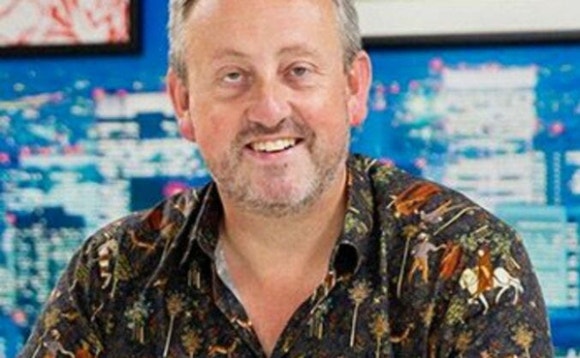
Jigsaw24 CEO Roger Whittle has called on businesses to take sustainability into their own hands, arguing that private capital and technology—not just government intervention—will drive the transition to a greener future.
In an interview at CRN UK's Sustainability in Tech Summit in London last week, Whittle outlined his pragmatic approach to embedding sustainability across Jigsaw24, a leading Apple solutions provider.
He acknowledged that while no single channel partner wields massive influence on global climate policy, the wider industry has a responsibility to act.
"We're all citizens of the world, and we need to do the right thing at every level—whether as individuals, in our businesses, or in wider society," Whittle said.
"For us at Jigsaw24, that means looking at every aspect of our operations, from office energy use and transport to recycling and the circular economy.
“It’s not rocket science—it’s just good business practice."
The business case for sustainability
Whittle dismissed the notion that sustainability is merely an ethical concern, pointing instead to its direct business benefits.
"Sustainability helps PR, marketing, customer relations, talent attraction and retention, cost management—you name it.
“At its best, it's just one of the many things that makes a great company great," he said.
"Look at the word itself. ‘Sustainable’ means something that can carry on and grow by itself. Every company wants a sustainable balance sheet, a sustainable P&L, recurring revenues.
“The same principle applies to the planet."
Jigsaw24 has put its words into action through its "Jigsaw Tree" initiative, a company-wide framework encompassing carbon reduction strategies, electric vehicle incentives, and IT asset recycling.
"It’s about being practical, hardworking, and focused," Whittle explained. "If you do the right thing, profits will follow."
Capitalism as a force for good
Acknowledging the commercial realities of the industry, Whittle made it clear that sustainability and capitalism are not at odds.
"You shouldn't be chasing the dollar. You should do the right thing. And if you do the right thing, normally the profits will follow," he said. "Capitalism is the least imperfect system we've got, so let’s get the best from it."
On the regulatory front, Whittle said he keeps an eye on both UK and EU sustainability legislation but argued that businesses should not wait for governments to take the lead.
"We need more alignment between UK and EU regulations—that’s just common sense—but ultimately, businesses should do what's right for them," he said.
"Governments come and go. They’ll go in one direction one term, then pivot the next. What’s going to solve this isn’t government policy alone—it’s also private capital and technology. I absolutely promise you."
The AI energy challenge
One of the biggest sustainability challenges facing the IT sector is the surging energy demand from artificial intelligence.
Whittle, however, was optimistic that technology itself would provide the answer.
"Every hour, the sun produces enough energy to power the entire world for a year. If we can get even a fraction better at harnessing that, we won’t have an energy problem," he said.
"Whether AI and crypto push energy demand up threefold or fourfold, renewable technology can more than keep up."
As businesses wrestle with the complexities of sustainable growth, Whittle’s message was clear: act now, integrate sustainability into the core of your business, and trust in the power of innovation.
"Technology is what got us here, and technology is what will get us out of it," he concluded.