£15m UK Alignment Project: Can the UK become a global AI player? Tech leaders weigh in
Channel partners reflect on the UK’s position as an AI powerhouse, and whether its latest decisions and investments can help the region compete with other tech hungry nations
The UK government has launched the Alignment Project, a £15m backed initiative designed “to unlock the full benefits of AI while providing strong national security foundations.”
This move, which aims to ensure that the technology behaves in ways aligned with human values, happens almost at the same time as OpenAI’s $8.3bn (£6.17bn) funding.
While Asia and the US already have their horses in the race, will this new decision allow the country to catch up and get ahead, or will it keep lagging?
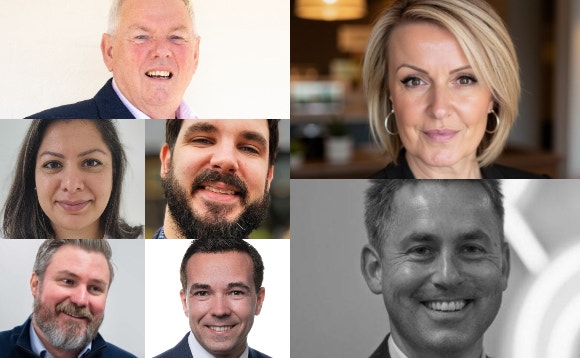
To dive deeper into these questions, CRN sat down with channel pros from Vissensa, Scalefusion, Cisilion, Trustmarque, SEP2, and Ekco.
Ben Savage, CEO UK, Ekco
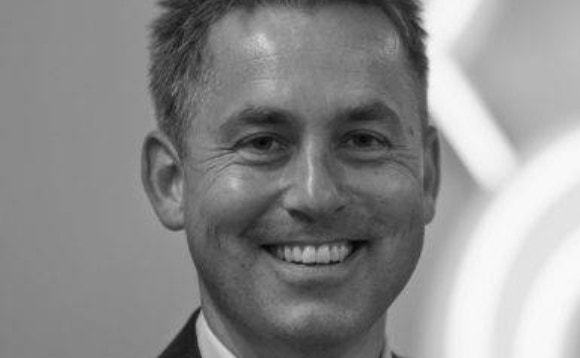
CRN: Is the UK positioning itself more as a regulator than an innovator?
“It’s a difficult line to walk.
“We don’t want to overregulate - but at the same time, alignment on global regulations around security has the potential to be an enabler of tech competition, not a constraint.
“When governments are engaging with stakeholders from across the IT industry, cybersecurity organisations, and academia, we’re more likely to see constructive and well-thought-out guidance and legislation.”
CRN: Does the UK have the potential to emerge as a global leader in AI innovation?
“There’s definitely an appetite for AI among UK businesses.
“Our recent research, Ekco Infrastructure Modernisation Survey 2025, found that 58 per cent of UKI IT leaders are actively using AI in their organisation - a huge step up from 46 per cent last year.
“What’s more, the rapid increase in datacentre projects announced across the country in the last year suggests a growing interest from government and investors in nurturing Britain’s AI industry.
“However, with the likes of Microsoft, Google and DeepSeek still firmly leading the pack, the UK has some way to go to catch up in terms of AI innovation.
“Where the UK is demonstrating leadership is in security.
“We’ve found that UKI businesses are highly alert to the challenges of AI - hallucinations, security risks, and effective training for employees - and are quietly implementing organisational innovations to tackle them.”
CRN: Is a unified global approach to AI safety realistic, or is it a fantasy?
“Full global agreement on AI safety might be ambitious in the short term, but pursuing shared guidelines or agreements could still significantly improve the overall safety of the AI ecosystem.
“By involving a broad set of stakeholders - governments, tech companies, researchers - we can work toward standards that help organisations across industries adopt AI more securely and responsibly.”
Sal King, channel sales manager UKI, Scalefusion
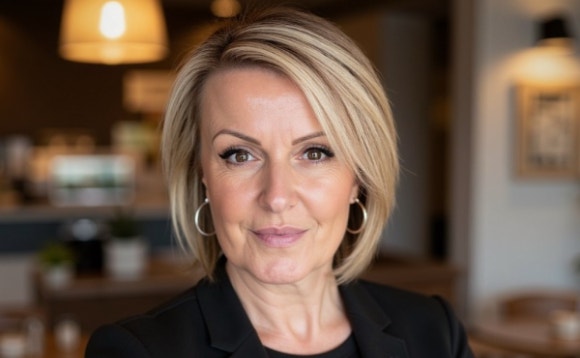
CRN: Is the UK positioning itself more as a regulator than an innovator?
“I don’t think they necessarily have to be mutually exclusive, but I also don’t see this as an effort to plant a flag on AI regulation akin to the EU’s AI Act - more a project to help ensure future regulation is internationally aligned.
“If and when the project results in legislation being passed or international standards being enacted, it’s important that the government has a clear plan to ensure companies have the information and tools they need to remain compliant without disrupting their day-to-day or hindering growth.”
CRN: Does the UK have the potential to emerge as a global leader in AI innovation?
“There’s definitely scope.
“Our recent trade deal with India had some hugely positive tech investment opportunities for both countries, and this could give us a template for how the UK could emerge as a leader.
“Strengthening partnerships with countries like India, where AI industries are starting to boom, will help us chart a new path that builds on what the current leading countries are doing, while avoiding their missteps.”
CRN: Is a unified global approach to AI safety realistic, or is it a fantasy?
“As we always tell our customers, a unified approach is non-negotiable.
“This year’s been one of the worst on record for cyberattacks, and with bad actors increasing their AI use, that’s only going to get worse unless we act.
“For multinationals, a unified approach will help align their security strategies and AI policies across different markets.
“For SMEs, global AI safety will help them to produce more concrete long-term plans to scale without the fear of huge regulatory shifts, or unforeseen security threats.”
Mini Biswas, AI and security specialist, Cisilion
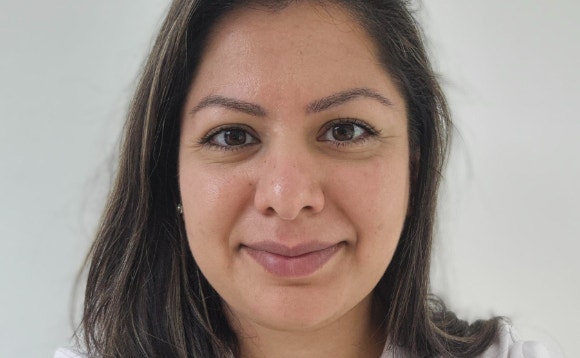
CRN: Is the UK positioning itself more as a regulator than an innovator?
“Recent moves from the AI Safety Summit to the launch of the AI Safety Institute, do suggest a regulatory tilt. But regulation and innovation aren’t mutually exclusive.
“In fact, thoughtful governance can be a catalyst for responsible innovation.
“The UK has an opportunity to lead by example, demonstrating that robust safety frameworks can coexist with entrepreneurial ambition.
“What matters is that regulation doesn’t become performative.
“It must be agile, enforceable, and shaped by those closest to the technology and its societal impact.”
CRN: Does the UK have the potential to emerge as a global leader in AI innovation?
“Yes, but only if we move beyond rhetoric.
“The UK boasts world-class research institutions, a vibrant startup ecosystem, and a legacy of scientific excellence.
“Yet, we lag behind in compute capacity and commercial investment compared to the US and China.
“To truly lead, we need to invest in sovereign infrastructure, upskill our workforce, and create pathways for underrepresented voices to shape the future of AI.
“As a mum raising kids who dream big, I want them to see a future that’s not just cutting-edge, but inclusive and values-driven.
“Global leadership also means navigating complexity, reconciling ethical frameworks, regulatory environments, and geopolitical interests.
“Achieving consensus on safety standards will require diplomacy, trust-building, and a commitment to shared values.”
CRN: Is a unified global approach to AI safety realistic, or is it a fantasy?
“It’s ambitious, but not impossible.
“The Alignment Project is backed by an international coalition including the UK AI Safety Institute, Canada’s AI Safety Institute, Schmidt Sciences, AWS, Halcyon Futures, and others.
“This cross-sector support brings together government, industry, and philanthropy to fund alignment research across disciplines.
“The recent international AI Safety Report and the formation of global AI Safety Institutes show that consensus is building.
“The challenge lies in reconciling geopolitical interests, commercial secrecy, and ethical diversity.
“But if climate change taught us anything, it’s that global coordination is hard and necessary.
“AI safety must be treated as a global public good. We need shared standards, mutual accountability, and inclusive dialogue.
“To truly align AI with human values, research must reflect a broad spectrum of perspectives; across gender, race, geography, and discipline.”
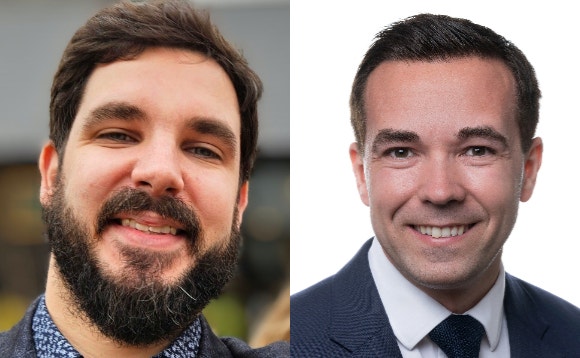
Chris Jones, Head of public sector, Trustmarque
Seb Burrell, Head of AI, Trustmarque
CRN: Is the UK positioning itself more as a regulator than an innovator?
Jones: “The UK is taking steps towards a leadership role in establishing technical and ethical guardrails with initiatives like the Alignment Project.
“The regulation will help guide innovation, ensuring it is ethical with the right guardrails and controls.
“The AI action plan sponsored by DSIT and the NHS ten-year plan give a clear direction that the UK is investing in AI and it will become part of daily life in the next decade.”
CRN: Does the UK have the potential to emerge as a global leader in AI innovation?
Burrell: “ Absolutely, if we continue to leverage our strong history of cutting-edge research and world-class universities.
“The Alignment problem is an excellent differentiator and way to stand out on the world stage for innovation.”
Jones: “ The UK needs to invest, encourage entrepreneurialism, and embrace AI.
“Initiatives like the Alignment Project are steps towards a leadership role in establishing technical and ethical guardrails.”
CRN: Is a unified global approach to AI safety realistic, or is it a fantasy?
Burrell: “ A unified global approach to AI safety is unlikely to happen in the short term, especially as companies move to make AI their competitive advantage.”
Jones: “Bodies like the UN, OECD, and G7 have already started discussions on AI ethics and safety.
“The EU AI Act and the US-EU Trade and Technology Council are examples of regional efforts with global implications.”
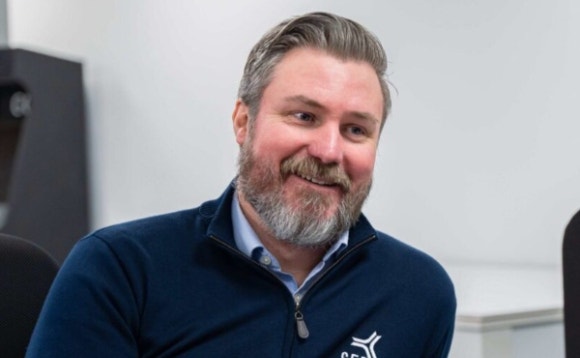
Paul Starr, CEO and co-founder, SEP2
CRN: Is the UK positioning itself more as a regulator than an innovator?
“I've expressed concerns that UK businesses might be disadvantaged if overly restricted by UK and EU regulators, especially given the rapid advancements in AI.
“While I don't advocate for an unregulated AI industry, some countries are embracing AI more openly, which could leave more cautious nations behind.
“The UK is strategically aiming to lead in AI governance.
“This is a deliberate choice because the UK cannot match the US in venture capital or China in state-backed data and computing power.
“Therefore, instead of competing in a brute-force innovation race, the UK is striving to establish itself as the world's "trusted" AI hub.
“In my opinion, the UK is betting that being a world-class regulator will foster innovation in ‘safe AI,’ creating a unique and defensible market position.
“The Online Safety Bill is a clear indicator of this governance approach.”
CRN: Does the UK have the potential to emerge as a global leader in AI innovation?
“I hope so, but the UK is unlikely to become the single global leader in foundational model development; that title will likely remain with the US and Asia due to their immense advantages in capital and infrastructure.
“However, the UK has the potential to become a leader in specific, high-value verticals of the AI ecosystem, such as AI Safety and Assurance.
“The UK's strength lies in its combination of top-tier academic institutions, a strong services economy, and a robust legal and ethical framework.”
CRN: Is a unified global approach to AI safety realistic, or is it a fantasy?
“A legally binding global treaty on AI safety is desperately needed, but given the current geopolitical climate, it remains a fantasy in my opinion.
“The deep-seated differences in national values such as the EU's rights-based approach, the US's market-driven focus, and China's state-centric use of AI for surveillance are largely irreconcilable.
“This incompatibility is further exacerbated by AI's profound potential to transform our world and daily lives.”
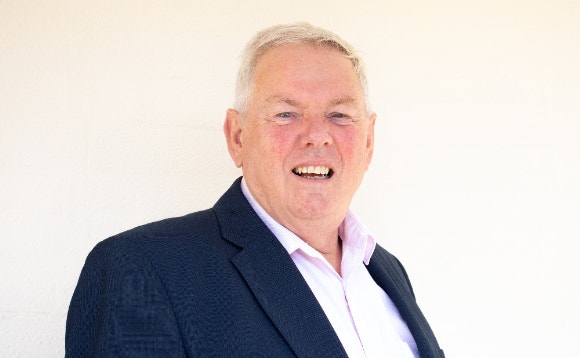
Steve Groom, CEO and founder, Vissensa
CRN: Is the UK positioning itself more as a regulator than an innovator?
“I think that regulation will be at the heart of any position the gov takes.
“Maybe tax relief along the lines of R&D tax credits for AI Development to drive and reward innovation.”
CRN: Does the UK have the potential to emerge as a global leader in AI innovation?
“Certainly, data is the ‘new oil’ and no one country has a monopoly.
“The big US tech giants are being protected by Trump and his predecessors, so they feel like the dominant players today.
“These corps operations will need to be further challenged as to the data they hold and importantly the validity of data they release as AI results.
“Consumers and companies pivot away from tech that doesn’t work for them very quickly, look at the ascendancy of TikTok over Facebook, once a goliath in the social media space, or Instagram over X.
“This is the opportunity that AI innovators can exploit if they get the models right.
“At the search level, Alibaba has cut a path which removes the need of big global search engines like google in the Far East, maybe for different reasons than just commercial leadership, but the model is well understood on how to develop and restrict tools from different regions and develop ones that work for that population.
“It won’t take long for the pitfalls in certain AI engines to emerge strongly enough that they are not seen as the all-seeing truth.
“Most LLMs already have disclaimers saying that the results may contain errors.”
CRN: Is a unified global approach to AI safety realistic, or is it a fantasy?
“Maybe too early to tell, but in my mind, the data that AI needs to be useful is everywhere, across boundaries and cultures and this could be the thing that prevents a global agreement on its use.
“Regulation will naturally come to provide some accountability at government level to citizens that its not just the ‘Wild West’ and their data and AI’s use of it is safe.”