Bright times are ahead for solar energy, but beware the challenges
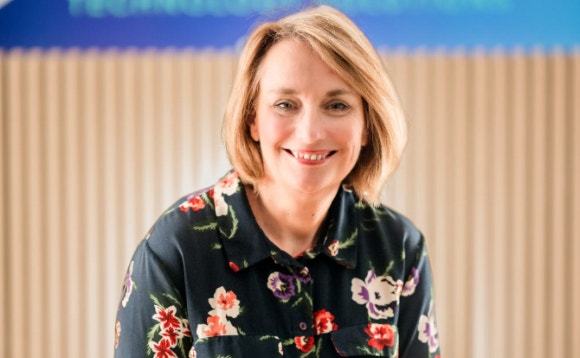
Converge Technology Solution’s Sheryl Moore shares some top tips for fellow channel firms keen to explore solar panels
The time for solar energy is bright! Energy generated via solar panels reached record highs in 2025, with over 18 GW of installed capacity generating roughly 6.3 per cent of Great Britain's electricity, a massive 30 per cent increase in generation from 2024.
Solar panels are now a common sight on trading and housing estates across the UK, and even in a nation not renowned for sunny days, there is a good reason for that. A properly planned solar energy project can save you money and deliver on carbon emission goals.
However, while still a huge advocate for solar panels and greener energy solutions, Moore warns channel firms to enter the process with their eyes wide open.
Below, she shares eleven key things to consider when installing solar panels.
1. Don’t underestimate the timeframes and costs
Solar panels may have come down in price (by up to 90 per cent since 2010), which is great news and means a more competitive market. But the process of getting quotes and installing the panels themselves takes a lot longer and can cost more than you might think.
2. Do your research
Check out who the solar panel Distribution Network Operator (DNO) actually is, speak to them about your plans and expectations from solar panels. This takes time as it is not the speediest in responses.
3. Involve your local authority
Check whether your local government authority is supportive of solar panels, as there can be a disconnection in different regions. Some regions are definitely more supportive of green initiatives than others. It is worth doing research, because that extra local support could make a real difference.
4. Grant and support
Check with your local business network such as the Chamber of Commerce as there maybe grants and support to help with the costs especially if you are an SME.
5. Install where the sun shines
It may sound obvious, but getting the optimum level of exposure to the sun on your roof and ensuring panels are fitted at right angle is key. If you don’t have the proper exposure to sunlight, it might not generate the necessary power you need.
6. Be patient
It might take longer to get ROI back from the panels than you think. Once you have agreed a quote, and how it is going to be financed, etc., you need to be realistic about how long it is going to take to make back your investment and start seeing a profit. Manage expectations, particularly where senior management is concerned.
7. Get a proper roof survey done
Don’t use a drone to fly over the roof and say ‘oh that looks alright’ – make sure somebody actually goes onto the roof: it not only needs to support the solar panels, but also people walking on it during installation and the permanent structure needed to anchor them in place. This could save a lot of hassle in the future.
8. Watch out for hidden costs
If you rent your premises, for example, you will not only be liable for the cost of installing the solar panels, potentially also removing them if you move premises. This could hit your pocket hard.
9. Avoid wasted energy
The national grid doesn’t always have the infrastructure in place to take back all the surplus energy generated, so again, make sure you have done your homework to ensure the scale of project is generating the right amount for your business if the grid can’t buy your surplus from you. Battery storage is expensive. You don’t want to be wasting all that lovely energy you have worked so hard to create.
10. Space matters
Make sure you have the space in the power room. Inverters are not small! It is not just the roof that houses the panels; there is the whole infrastructure to consider as well and it needs proper space.
11. Watch the birdie!
One of the lesser-known issues with solar panels is the fact that birds could take a shine and nest under them. They offer birds a warm and dry shelter against the elements. But birds are messy and can have a big negative impact. Think about the need to install bird netting as well, which is another expense that probably hasn’t been considered.
If you go into your solar panel project considering all of these factors, before long, you could be taking a big step towards your net zero targets.
Solar is a key part of the UK’s energy transition, but it is not always the simple solution people may think.
Good luck!