Digital Origin CEO: ‘I’d like to be a £17m revenue business in 2026’
Stephen Richardson lifts the lid on his purely organic growth strategy to meet end-of-year goals
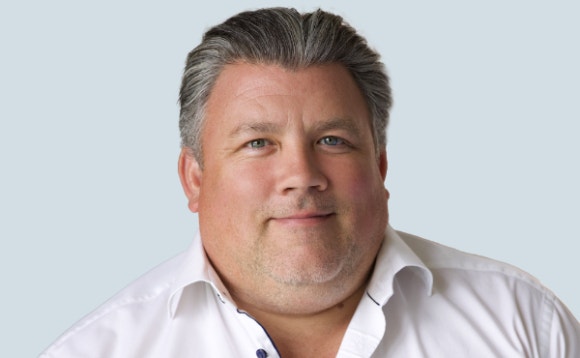
Digital Origin will be leaning on organic growth, not M&A, to reach its ambitions in 2026.
The MSP delivered around 15 per cent growth in 2025, dialling in revenues of £13m and £2.7m in EBIT as of 31 December 2025.
Speaking with CRN, CEO Stephen Richardson reveals where he wants the top line to sit by the end of this year.
“I’d like to be close to £17m in revenue.
“Our growth strategy to achieve that is going to be predominantly through new logos, monthly recurring business.
“The key to our business is growing that out.”
Richardson adds that in the early stages of this strategy, it won’t only be hooked to IT, as there will be a connectivity-as-a-service element sitting alongside.
“But the end play will be to get that recurring, consultative managed service piece in place for the long-term, because that's where you get the best growth over time.
“It's then supported by the non-recurring that comes with it. But I don't want to lead with that non-recurring hardware/professional service sell. The partnerships with clients is what I really want.”
‘No more acquisitions for now’
Digital Origin has made three acquisitions since it was established in 2018.
Its last deal was in April 2023 with its takeover of Beyond Networks.
Richardson explains why M&A won’t be on the cards for some time for the Milton Keynes-based business after it was bought by private equity firm Evergreen in April 2024.
“Anything that fits our remit now fits theirs, and so they'll buy.
“I can't see in the short to medium term, any kind of acquisition as such going on. It will just be growth.”
Cost pressure coming to the UK
Richardson highlights the desire for clients to reduce their spend as the “biggest obstacle to UK managed services” right now.
He adds the UK is a year behind the US and Australia, having already seen cost pressures from clients, who want the same level of service.
“I think that’s coming to the UK.
“As much as I want to sell more, I think the cost put on clients, because of macroeconomics, is a hard sell.
“There’s a big piece around IT as a cost and IT as an investment.
“If people see it as a cost to the business, which a lot of people still do, it’s very difficult to sell them new stuff, even if you can justify it’s better.”