‘We are in a period of transformation’: Veeam UKI channel director
Nick McAlister talks UKI partner base, Securiti AI and data sovereignty
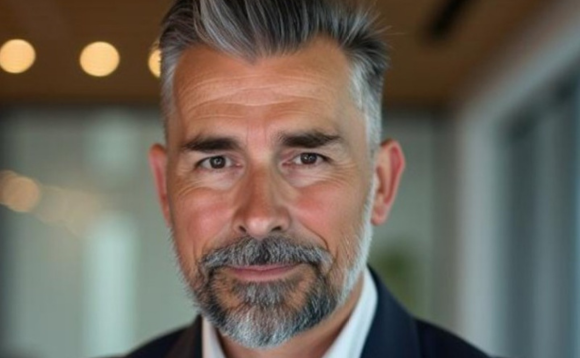
As vendors expand beyond point products into broader platforms and customers operate across increasingly fragmented environments, the channel is being forced to adapt to a more complex role.
For Nick McAlister, who joined Veeam as UKI channel director in January, that shift is happening both externally and internally, as the organisation evolves its strategy across the region to reflect a wider portfolio and changing partner expectations.
“We are in a period of transformation,” he tells CRN.
“My approach has been to observe, learn, gather feedback, then implement quick wins and foundational changes.”
McAlister explains that he joined Veeam at a time of strong momentum, as the US-based vendor reportedly just reached $2bn (£1.5bn) in annual recurring revenue (ARR), operating at around 30 per cent EBITDA and continuing to grow double digit.
The business now serves around 500,000 customers globally.
But the vendor is now shifting its focus beyond its traditional backup roots, notably through its acquisition of Securiti AI in October.
The aim is to position Veeam as a platform that can secure, manage and recover data across environments, while supporting customers as they move towards AI-driven use cases.
UKI ecosystem and strategy
The vendor works with around 1,100 partners across the UKI, although only around 300 are managed directly, with distributors supporting the long tail.
The ecosystem spans traditional resellers and global system integrators, with multiple collaborators often involved in a single customer engagement.
“You’ve got six or seven partners in any customer engagement at any one time,” McAlister says.
That complexity is also reflected in changing partner models, particularly around managed services.
Alongside its traditional reseller base, Veeam continues to work across cloud and MSP models, which McAlister says remain a significant part of the business
“There’s always a terminology definition and interpretation of what an MSP is versus what a CSP is.”
The vendor’s VCSP scheme, which supports cloud and managed service providers, still contributes a high double-digit share of UKI revenue, even as Veeam pushes its own SaaS offerings.
“Our cloud provider space isn’t going away anytime soon, even with the introduction of Veeam Data Cloud,” McAlister says.
At the same time, the company is encouraging a change towards more flexible delivery models.
“When it comes to asset-light managed services, we are encouraging that as well,” he says.
“It’s a great opportunity for VARs to continue to differentiate themselves and remain relevant and competitive in the market.”
Educating partners around evolving offering
As the portfolio expands, ensuring firms can sell and deliver across that complexity is becoming a priority, McAlister tells CRN.
“It’s about being structured in how we go to market.”
Veeam is combining training across sales, technical and pre-sales roles with longer-term engagement through marketing programmes and incentives.
“We’re running six- and 12-month integrated marketing campaigns with partners, putting incentives and plays in place to drive behaviour,” he explains.
Co-sell is also becoming central to execution.
“Importantly, we’re supporting partners through co-sell, so they’re not doing it alone,” says McAlister.
That broader positioning is reflected in Veeam’s UKI channel strategy, which the channel boss breaks down into three areas; driving the adoption of Veeam Data Cloud, building partner capability across a wider portfolio and making the channel ready for Securiti AI.
Data sovereignty opportunity
Alongside platform and data complexity, McAlister points to rising demand around data sovereignty.
“Data sovereignty is becoming more and more pressing, especially with compliance and regulation,” he says.
Rather than treating it purely as a constraint, Veeam is positioning the trend as a commercial opportunity, both for the vendor and its partner ecosystem, says McAlister.
“We see it as an opportunity,” he explains, adding that it is shaping how the company approaches not just the UKI market but EMEA and global strategy more broadly.