XChange UK Day 1: Scalability, AI environmental impact and layered compliance
Feeling the FOMO from the first day of XChange UK? Catch up on what you missed
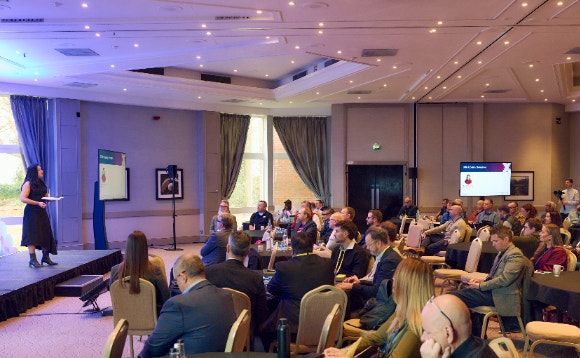
CRN’s XChange UK 2026 is underway, with the first day bringing practical insights, lively debate and the occasional reality check for delegates across the IT channel.
Speakers on stage explored topics including how MSPs can scale managed services operations, the growing tension between AI innovation and sustainability goals as well as the rising complexity of compliance as organisations navigate multiple regulatory frameworks.
Nothing quite replaces being in the room for the discussions themselves, but if you couldn’t attend, here are some of the highlights from the closing sessions.
Scaling without breaking: How to run managed IT services that deliver
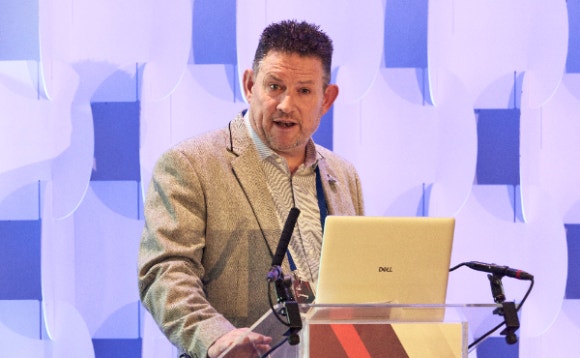
Rob Rodger, practice director for IT managed services at Ricoh UK, spoke about what it takes to run managed services at scale, arguing that successful MSPs must operate less like ad-hoc support teams and more like industrialised service factories.
Rodger highlighted Ricoh’s broader tech ambitions beyond its printing heritage, positioning the company as a workplace technology provider spanning workplace experience, process automation, cloud and cybersecurity.
The focus of his talk centred on the operational discipline required to scale managed services effectively.
“Running IT managed services at scale is not just about keeping the lights on, it’s about building a machine,” he told the audience.
Central to this approach is standardisation.
Ricoh follows an “80/20 rule”, where around 80 per cent of services are standardised and repeatable across customers, with only limited customisation layered on top.
“The moment the service depends on heroics, tribal knowledge or manual effort, it stops being scalable,” Rodger noted.
Automation also plays a crucial role.
Tasks such as patch management, device builds, identity lifecycle management and compliance reporting should be automated wherever possible to improve consistency and efficiency.
Rodger also stressed the importance of observability and data-driven operations.
“A scalable MSP runs on metrics, not anecdotes,” he said, pointing to indicators such as mean time to resolve, ticket backlogs and customer satisfaction as essential management tools.
Ultimately, Rodger argued that strong communication and continuous improvement underpin successful managed services.
“Scalability must be designed, not hoped for,” he concluded.
“It doesn’t happen by accident.”
AI excess: Sustainability, risk and the cost of scaling too fast
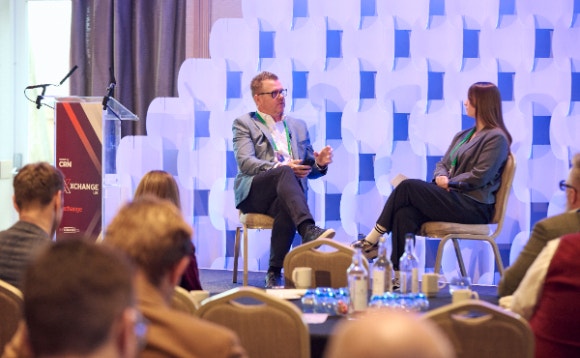
Richard Eglon, CMO at Nebula Global Services explored the increasing tension between AI adoption and sustainability goals.
Opening the discussion, Eglon argued that the two agendas are increasingly colliding as AI moves from experimentation to mainstream deployment.
“Sustainability seems to be moving from that back-office reporting function into a frontline operational reality,” he told delegates.
“With AI’s massive heat and power demands, it’s becoming a daily operational issue rather than just something in an annual ESG report.”
The session highlighted the rapid rise in energy demand linked to AI infrastructure.
Global electricity use from datacentres and AI servers is expected to surpass 1,000 terawatt hours by 2026, more than double 2022 levels.
Eglon warned that organisations risk prioritising AI innovation without considering its environmental footprint.
“Excessive use of AI is the new digital waste,” he said.
“Organisations are deploying AI because they can, not because they should.”
Beyond carbon emissions, he also pointed to less discussed sustainability pressures, particularly water consumption linked to data centre cooling.
“Water is a silent vulnerability that most companies overlook,” he said, noting that evaporative cooling systems in AI infrastructure can place strain on local resources.
Despite these challenges, Eglon argued that balancing AI innovation with sustainability could become a competitive advantage for MSPs.
Clients, he added, are increasingly interested in the provenance and efficiency of digital services.
“Sustainability is becoming a visible trust signal,” he said.
“Customers want partners who innovate responsibly.”
Looking ahead, he suggested regulation and governance will likely slow the pace of AI adoption, allowing sustainability considerations to catch up.
“Only because we have AI available doesn’t mean we should use it without purpose.”
Layered compliance: Turning framework complexity into competitive advantage
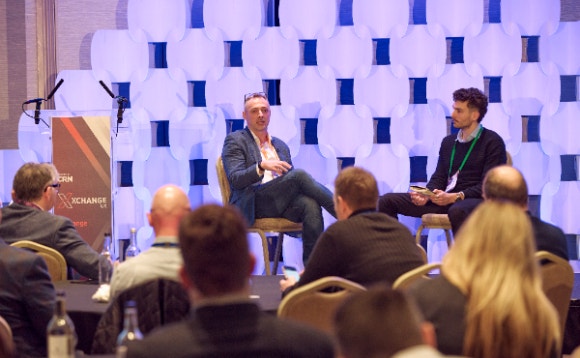
The summit’s final panel of the day explored the growing complexity of cyber compliance and the opportunity for partners to help customers move beyond one-off certifications towards continuous assurance.
While it would make no sense to know about tomorrow’s weather by looking at yesterday’s forecast, when it comes to compliance, many organisations still rely on last year’s audit to tell them if they are safe today.
Csaba Csordas, director of strategic alliances for EMEA at Hyperproof, said this point-in-time approach creates significant blind spots as IT environments constantly change.
“In March you complete your audit, by May you’ve already changed firewall rules, launched new cloud services and adopted new tools,” he explained.
“Checking compliance months later is like checking last week’s weather forecast to decide if you need an umbrella today.”
Csordas said organisations are increasingly being pushed towards multi-framework compliance as a result of growing regulatory pressure and complex supply chains.
“There is no single cybersecurity framework that covers everything,” he said.
“Each was created with a specific purpose, so companies inevitably need to align with several.”
However, this shift often leads to duplicated effort, with as much as 40 to 60 per cent of controls overlapping across frameworks.
Csordas said this is largely due to organisational silos, where different departments manage separate compliance programmes.
Looking ahead, he argued partners have an opportunity to reposition compliance services as long-term programmes rather than one-off assessments.
“The assessment should not be the final outcome,” he highlighted.
“It should be the start of the conversation.”