Sustainability in Tech Summit 2026: Circular IT group: Sustainability is a by-product of cost-efficiency
Circular IT group implement smart ITAD strategies that keep reuse, resale, and residual value on the table.
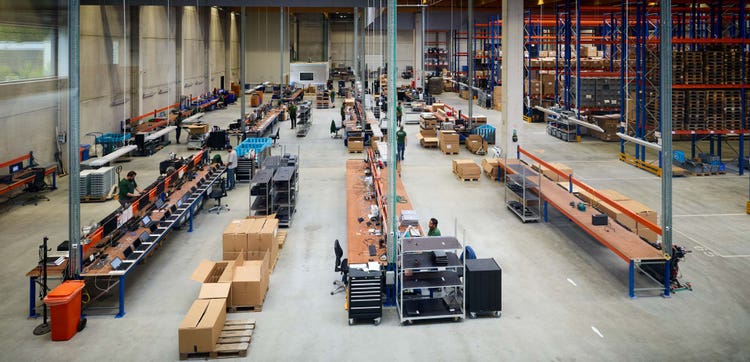
In this Q&A with Circular IT Group, they talk about the importance of making circular IT commercially attractive and operationally simple and its plans to grow in the UK market.
Can you tell us a bit about Circular IT group, what it does, and how it fits into the channel ecosystem?
Circular IT group helps organisations move from a linear “acquire–use–discard” model to a circular IT model, extending asset lifecycles, lowering cost, and providing auditable outcomes.
Our “cradle-to-cradle” portfolio of products and services is designed to meet rising expectations, while staying safe, secure, sustainable, cost-efficient, and offering full control while being compliant.
For the channel, this means a reliable delivery partner. We enable resellers and service providers to offer cost-effective circular IT outcomes without adding operational complexity
How important is sustainability in your company culture?
Sustainability is a delivery standard, not a side initiative.
It is deeply rooted in how we operate, measured through KPIs, and backed by documented evidence. Over the last three years, sustainability shifted from being driven by individuals to becoming group-wide execution embedded in our DNA.
That is reflected in our End-User Computing Services achieving EcoVadis Platinum (Top 1%) for the third consecutive year.
This only works because teams across the group collaborate on continuous improvement. Sustainability is now operational, repeatable, and auditable.
We also design improvements to scale across countries. When one site strengthens governance, inclusion, or certification, we roll it out group-wide to ensure consistent delivery across Europe.
What is your proudest achievement to date?
Building a commercially viable, cradle-to-grave IT lifecycle model, setting the standard as the leading European brand in making IT circular.
We prove that circular IT can be safe, secure, compliant, and financially attractive at every lifecycle stage. All while offering full control for our customers and partners. That foundation has positioned Circular IT group as a European leader with a strong and growing presence in the UK.
Where will your main focus be in the coming year?
Our focus is innovation and scale with consistency.
Operational priorities include expanding ITAD and refurbishment capacity, widening Device-as-a-Service and take-back programmes, and strengthening ITAM and CMDB integrations.
Cost efficiency remains critical. Lifecycle extension, reuse, and value recovery help customers manage risk, reduce spend, and respond to changing regulatory and geopolitical pressures.
We are also advancing group-wide standardisation, including ISO alignment and progressing R2v3 certification in the Netherlands, with learnings shared across the group.
What do you think are the biggest challenges for the channel surrounding sustainability right now, and how can they be overcome?
The biggest misconception is that sustainability increases cost.
However, when reuse-first strategies, value recovery, and tighter waste controls are professionally executed, it lowers the total cost of ownership.
Another challenge is a lack of insights. Many organisations have built their reference on old data and the perceived complexity of circular IT.
The solution is information and calculation. Clear steps in providing information, proven data and business case delivery, and partners who remove operational burden and enable seamless adaptation.
Finally, frameworks continue to evolve. The most resilient approach is sustainability built on governance, evidence, and repeatable reporting that remains valid as requirements change.
How are you as an organisation tackling those challenges personally?
By making circular IT commercially attractive and operationally simple.
We keep assets in use longer through ITAD, refurbishment, upgrades, repair, and certified recycling, supported by flexible ownership models and, of course, lifecycle management, where audit-ready reporting and supplier transparency are prioritised.
Customers increasingly rely on supplier data for compliance, so our services are built around KPI-led governance and documented evidence they can reuse.
Where do you think the key sustainability opportunities lie for the channel in the coming 12-24 months?
Simply put, the key opportunity is switching from a non-sustainable IT solution to a circular solution of commercial interest by enabling lifecycle management and onboarding effective ITAD.
Partners and organisations that attach evidence-led circular outcomes to deals or processes will differentiate faster. Practices like buy-back, reuse, and lifecycle optimisation already improve margins and reduce costs.
Sustainability, if smartly onboarded, is a commercial advantage.
How will demand for sustainability-related services evolve?
Demand will increase, but expectations will sharpen. Buyers will prioritise suppliers that deliver:
- Verified performance, not claims
- Supplier data that supports reporting
- Secure, compliant processes
- Commercially viable solutions without friction
Commercially effective sustainability is becoming a procurement requirement, especially in CSRD/ ESG-weighted tenders. Organisations that deliver consistent, auditable outcomes across multiple sites will lead the market.
This article is sponsored by Circular IT Group.