XChange EMEA Day 2: Operating in uncertainty and how to lead with resilience in the European IT channel
Geopolitics, sovereignty and freedom dominated discussions on the second day of CRN’s EMEA event
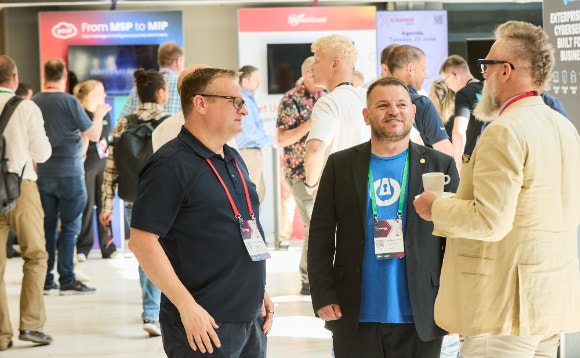
XChange EMEA 2026 has come to a close.
This week’s event put the spotlight firmly on how partners are adapting to a market shaped by geopolitical uncertainty, rising costs and changing customer expectations.
Day two also featured a powerful closing keynote from Mohamedou Ould Slahi, who shared his journey from Guantánamo Bay to freedom.
Couldn’t make it to The Hague? Here’s the day two recap from CRN**’s event in The Hague**.
Operating in uncertainty: Risk, resilience and service delivery in EMEA
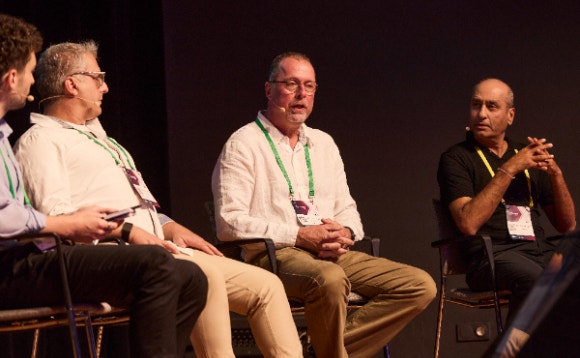
During a panel on risk, resilience and service delivery, speakers debated the impact of geopolitical tensions, inflation, rising operating costs and shifting customer expectations on channel businesses across EMEA.
For Sonny Sehgal, co-founder and CEO of Transputec, geopolitical instability has already had a direct impact on expansion plans.
After opening an office in Dubai last year, the organisation saw momentum disrupted by conflict in the region, leading the panel to discuss the importance of adaptability.
“We were getting huge traction, but I didn’t foresee the war coming along.”
He added that the company has also had to contend with the war in Ukraine, making resilience and maintaining focus critical as market conditions shifted.
“Keeping resilient, keeping your focus was really important,” he explained.
“We managed to get through all that and now we’re seeing the growth come back.”
Neels Burger, group head of industrialisation shared services at Capgemini, added: “The fluidity and volatility of the markets that we are in, it is the new normal,”
“We just have to live with it.”
On the situation, Guy Golan, CEO and cofounder of Performanta, explained that the instability led companies and customers to be more cautious.
“Right now, everybody is very cautious. Nobody wants to invest.
“The market is flooded with noise, and that noise is geopolitical. The noise is tariffs; the noise is ego.”
The conversation also turned to rising costs, from national insurance increases to supplier price hikes and rising uncertainty around consumption-based pricing models.
The panellists argued that partners can no longer rely on simply passing increasing costs onto customers.
Instead, efficiency, automation and operational discipline are becoming more and more important to protecting margins.
The sovereignty debate that emerged throughout day one resurfaced again during the discussion.
Golan also suggested that discussions around sovereignty are being driven as much by geopolitics as technology.
“The theme that was never there before is now verbalised,” he said, referring to customer requests for alternatives to US technology providers.
The conversation expanded into Europe’s ability to compete with the US and China on innovation, with speakers highlighting funding challenges, fragmented markets and difficulties turning research into commercial success.
While opinions differed on how Europe should respond, there was broad agreement that partners will increasingly need to help customers navigate these conversations as sovereignty moves higher up the agenda.
From Guantánamo to inner freedom: Resilience and strength in extreme circumstances
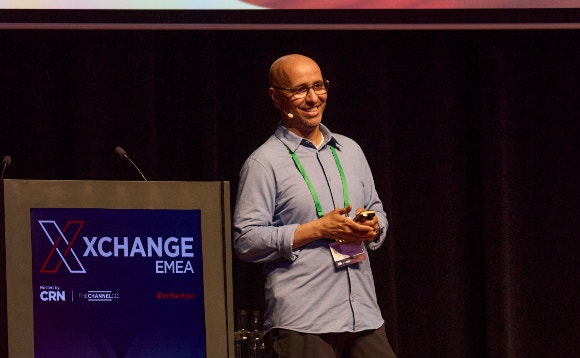
The event concluded with a powerful message, as Mohamedou Ould Slahi, who spent more than 14 years imprisoned in Guantánamo Bay without charge, shared his story of survival, resilience and forgiveness.
Speaking to attendees, Ould Slahi recounted his childhood in Mauritania, his studies in Germany and the events that led to his detention following the September 11 attacks.
He described losing almost everything, including his freedom, his career and years with his family.
Yet rather than focusing on anger, his message centred on forgiveness.
Reflecting on his imprisonment, Ould Slahi told attendees that holding onto resentment ultimately harms the victim more than the person responsible, comparing it to “drinking poison and hoping that your enemy dies.”
Instead, he spoke about reconnecting with former prison guards and officials involved in his detention, choosing reconciliation over revenge.
“The only thing I regretted is I was not kind enough,” he added recalling the moment he believed he was about to die.
“I was not kind enough to my mother, to my sister, to my brothers, to my partner and to humanity.”
He also spoke about finding freedom while still imprisoned, arguing that freedom is not solely a physical condition but also a state of mind.
“If you hate, if you have resentment inside your heart, no one can free yourself. You have to free yourself from them.”
Among the most notable moments of the session was his description of reconnecting with people he once blamed for his suffering, including former prison guards and political figures involved in his detention.
Rather than seeking revenge, he chose reconciliation.
For Ould Slahi, resilience was not about growth strategies or navigating market volatility. It was about choosing humanity in the face of hardship.
Thank you to all of our delegates and sponsors for making it such a successful two-day event.