Leadership in an age of uncertainty: Lessons from Barack Obama at the O2
Annabel Berry, founder and director of LeadingCyber, shares her thoughts after attending an audience with the former US president Barack Obama
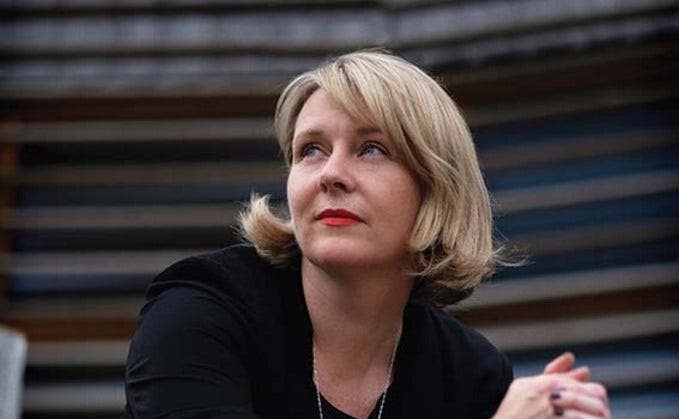
Last month in London, I was among the thousands of people who flocked to fill the O2 to hear former US President Barack Obama's conversation with David Olusoga.
The remarkable turnout served as a powerful sign that people were drawn to listen to a leader who’s thoughtful, measured rhetoric offered a much-needed antidote to the emotive, inflammatory language so common today.
This was more than just a public appearance; it was a powerful call to action on the nature of leadership and the fragile state of democracy. In a world grappling with division and uncertainty, Obama's words resonated with an urgent message: the health of our societies is not a given, and leadership is a responsibility that must be actively nurtured and shared.
Obama spoke with conviction about the erosion of truth and the rise of authoritarianism, challenges he believes have been exacerbated by a collective sense of complacency. He argued that progressives became "smug" and comfortable, assuming that our trajectory would bend inevitably toward progress. This relaxed vigilance, he suggested, left us unprepared for the challenges of the digital age.
His words served as a potent reminder that leadership isn’t merely about having a vision - it's about unwavering and constant vigilance, active engagement and about showing up and speaking out even when it's uncomfortable.
The most compelling part of his message for me was Obama's challenge to fundamentally redefine what leadership means. He spoke of it not as a title or a position of power, but as a shared responsibility - a project that must be passed on from one generation to the next, requiring deliberate acts of mentorship and empowerment.
He urged those of us listening to double down on the work of elevating others, especially those whose voices are still emerging, and what particularly struck me was his warning against narrowing the definition of who belongs and who leads.
Whilst he said historically it was “easier to broker agreements when everyone looked the same, or went to the same schools”, modern leaders must find common ground, seek to build trust, unlock the power of diverse thought, understand how to navigate conflict, gain consensus and cultivate engagement and commitment.
It made me even more resolute about my work in helping and supporting cyber leaders and teams to grow, develop and evolve. It underscored the vital importance of intentional leadership - moving past a focus on mere output to actively invest in the development and wellbeing of teams. Ultimately, true leadership means moving beyond a solo title to embrace it as a shared responsibility, actively mentoring and empowering the next generation to ensure our industry's lasting strength and resilience.
On the global stage, President Obama also argued that the strength of a democracy lies in its ability to create space for new leaders to rise, to deliberately lift others, and to ensure no one is left behind. He concluded with a powerful statement that serves as the cornerstone of this philosophy: “True democracy is a project much bigger than any one of us… It’s a job for all of us.”
This final thought encapsulated his core message - that hope is not passive - it is a collaborative effort built through courage, mentorship, and a collective commitment to lifting others up. If we want change, we must make our voices heard and be intent on making that happen.