Cybersecurity, sovereignty and AI: Channel bosses on the tech trends shaping customer demand
Viatel, Espria, Kainos, CloudClevr and Stemsy leaders weigh security growth, managed cyber services, data sovereignty and the impact of AI

Cybersecurity remains one of the biggest areas of opportunity across the channel, but the security conversation is becoming increasingly intertwined with some of the industry’s other major technology trends.
From the rapid adoption of AI to growing questions around data sovereignty, regulation and infrastructure, customers are having to reassess what securing their technology estates actually means.
CRN spoke to channel leaders across the UK, Ireland and France to find out which trends are translating into real customer demand, where they are investing and where the hype has yet to turn into spending.
Viatel: Cyber grows to 30 per cent of business
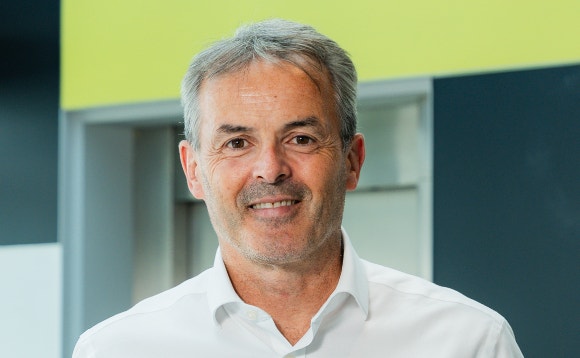
Few of the companies have made cybersecurity as central to their strategy as Viatel.
The Irish provider has evolved from what CEO Paul Rellis describes as a “pure play telco” when he invested in the business in 2018 into a broader tech services provider spanning communications, digital and AI applications and security.
Cybersecurity now accounts for around 30 per cent of Viatel’s business, alongside roughly 40 per cent from communications and 30 per cent from digital, AI and the Microsoft ecosystem.
“We’re in that sweet spot of where networks, apps and security meet, and that’s what we do really well,” Rellis tells CRN.
M&A has played a significant role in building those capabilities.
Viatel acquired Cybit’s Belfast operation last year, adding cybersecurity capabilities around vendors including Palo Alto Networks and F5.
That was followed by the buyout of Scotland-based F5 specialist FullProxy in July while the takeover of EDNX last month added networking expertise.
Viatel’s cybersecurity ecosystem is deliberately broad, reflecting what Rellis describes as a fragmented market.
The company works with Palo Alto Networks, where it holds Diamond partner status, alongside F5, Barracuda, Fortinet and others.
While Viatel remains open to adding vendors, Rellis argues that its existing strategic partners are themselves rapidly expanding and reinventing their portfolios.
Regulation and sovereignty are also entering customer discussions, particularly around privacy, security, access and data in transit.
Espria: Turning project-based cyber into recurring revenue
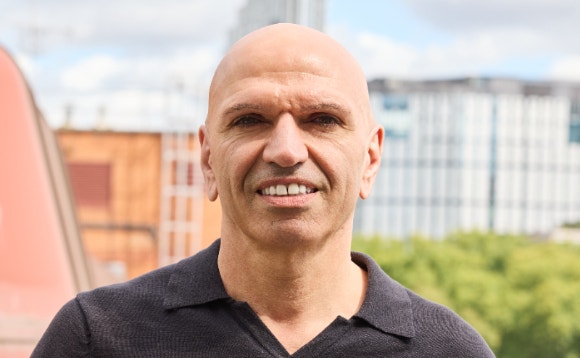
For Espria, the opportunity is less about entering cybersecurity than changing how its existing cyber capabilities are delivered.
CEO Angelo Di Ventura says cybersecurity will be one of the provider’s main growth areas alongside data and AI.
The Hertfordshire-HQ company already has what he describes as a “sizeable cybersecurity business” but much of that work historically consisted of projects and point solutions rather than recurring managed services.
That is now changing.
“The growth story for us will come from cyber,” Di Ventura says.
Espria has spent this year developing new services designed to turn existing capabilities into continuous managed offerings.
“Whereas in the past we focused on patching and remediation, we’ve now developed a platform that allows us to deliver those capabilities as a continuous managed service for customers,” he explains.
The provider is also bringing in a security practice lead as it looks to accelerate development of its SOC and SIEM capabilities.
“Building out our cybersecurity capabilities and continuing to invest in that area will be a major focus for us going forward,” Di Ventura says.
The strategy fits Espria’s wider push towards recurring revenue, which now represents more than half of the business.
The move reflects how MSPs are increasingly packaging security as an ongoing managed service rather than a one-off remediation exercise.
Kainos: Sovereign AI concerns move up government agenda

At Kainos, the cybersecurity conversation is more and more intertwined with AI sovereignty.
CEO Brendan Mooney says discussions around sovereign AI are becoming more common among the government and healthcare organisations the company serves.
But customers are not necessarily approaching Kainos with an explicit demand for a “sovereign AI” product.
Instead, the issue is emerging through more practical concerns around where information is stored, how secure it is and how data could be used by AI providers.
“There are those concerns about security, about safety, about being able to know your information hasn’t been used inside AI models, the cost of AI,” Mooney tells CRN.
“To me, it’s manifesting with not so much ‘we want to have sovereign AI’. It’s more a case of ‘here’s all our concerns about the current technology providers and stacks’.”
He says sovereignty has consequently become a frequent part of customer conversations.
Agentic AI is generating less immediate demand among Kainos’ government and healthcare customers.
Mooney argues that public sector organisations are assessing the tangible benefit of rebuilding already successful digital services around agentic technology rather than adopting it simply because it is available.
Security requirements are also affecting Kainos’ own use of AI.
The Belfast-HQ IT provider works in sensitive areas including policing, defence and immigration, and Mooney says some customers explicitly prevent it from using AI tools because of the sensitivity of their data or the services being developed.
The result is a markedly different AI adoption environment from parts of the commercial sector, with security, sovereignty and demonstrable public value acting as important constraints on deployment.
CloudClevr: Sovereignty ‘becoming more and more important’
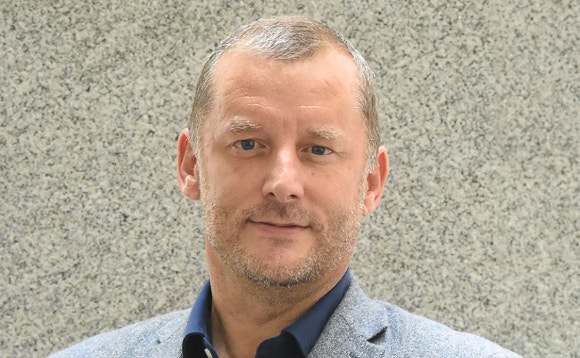
CloudClevr CEO Steve Harris is seeing a similar change in customer conversations around sovereignty.
The Warwickshire-based MSP’s most immediate technology opportunity is around AI, automation and data following its acquisition of Flow AI last month, with Harris saying customers want advice because they are interested in the technology but unsure how to consume it.
“We’ve got a lot of customers that want to talk to us because they’re unsure about AI, automation and data,” he tells CRN.
“A lot of MSPs are struggling to make it simple and productise something for customers so it’s easier to consume.”
That demand is steadily being shaped by concerns over where technology and data are hosted.
Harris says sovereignty has begun to emerge among CloudClevr customers and expects its importance to continue growing.
He points to Zoom’s UK datacentre investment and British AI provider PolyAI, whose proposition includes a sovereignty component, as examples of the direction of travel.
"It’s going to get even more and more important with the political instability that we’re seeing globally," notes Harris.
For CloudClevr, that places sovereignty alongside AI and data rather than treating it purely as a cybersecurity issue.
The provider also works with security vendors including Barracuda and Huntress within its managed IT portfolio, alongside Microsoft and a wider ecosystem spanning communications, automation and data platforms.
But Harris’ comments suggest the bigger change in customer demand is not necessarily another individual security product. Instead, customers increasingly need partners to help them navigate the overlap between AI adoption, data management and control over where that technology sits.
Stemsy: ‘They couldn’t care less’ about sovereignty, with one exception

For French MSP Stemsy, sovereignty has yet to become a significant concern for most customers.
Asked if technologies such as AI or trends around sovereignty had changed customer demand, CEO and founder Luc Pendic gives a blunt assessment.
“Sovereignty? Not at all. They couldn’t care less,” he says.
On the other hand, there is one notable exception.
Pendic says some of Stemsy’s US customers require equipment that meets strict US sourcing requirements, extending down to the components used inside the hardware.
“They want to avoid Chinese equipment. They also want to avoid sourcing equipment from countries such as Malaysia because of concerns about backdoors," he tells CRN.
The requirements have already forced Stemsy to replace entire customer infrastructures in some cases.
Pendic points to an upcoming project to replace a video surveillance system comprising around 60 cameras and large storage systems, despite the existing deployment being only around five or six years old.
The replacement, he estimates, will cost almost 12 times as much as the original project.
“Those are big projects driven by sovereignty requirements,” he says, although he characterises the demand as being driven “more by politics than anything else”.
Cybersecurity is also influencing Stemsy’s own vendor choices.
Pendic says the MSP wanted a European antivirus provider and tested several EDR, EPP and wider cybersecurity products before settling on F-Secure.
He says the selected technology was slightly more expensive than competing products but argues reliability outweighed the potential additional margin.
“I’d rather spend an extra €2 per device each month and have something reliable than save that money and take the risk,” he says.
Security expands beyond the stack, but customer priorities diverge

Across the five organisations, cybersecurity remains a clear area of investment, but the leaders' comments show significant differences in how that demand is developing.
Viatel is expanding its security portfolio through M&A while Espria is looking to turn more of its existing cyber capabilities into recurring managed services.
For Kainos, security is risingly tied to questions around AI sovereignty, data location and how sensitive information is handled by technology providers.
CloudClevr is also seeing sovereignty emerge alongside demand for AI, automation and data, with Harris expecting the issue to become increasingly prominent.
Stemsy offers a different picture.
Pendic says sovereignty remains largely irrelevant to most of its customers, despite specific US clients imposing stringent sourcing requirements over concerns around potential hardware backdoors.
Stemsy's experience suggests sovereignty only becomes a meaningful purchasing factor when regulatory, political or customer requirements bring it to the forefront.
Viatel sits somewhere between those positions.
Rellis says sovereignty is already driving conversations around privacy, security, access and data in transit but has yet to translate into significant investment decisions.
The broader picture is that cybersecurity is no longer a standalone consideration but one increasingly tied to the wider technology stack.
Yet concerns around sovereignty, AI governance and data location differ significantly depending on the customer, region and industry.